EV charger installation in Sweden 2026: cost and Green Tech deduction
What does it cost to install an EV charger in 2026? Price examples, model choice, RCDs, 3-phase and how to claim 50% via the Green Tech deduction.
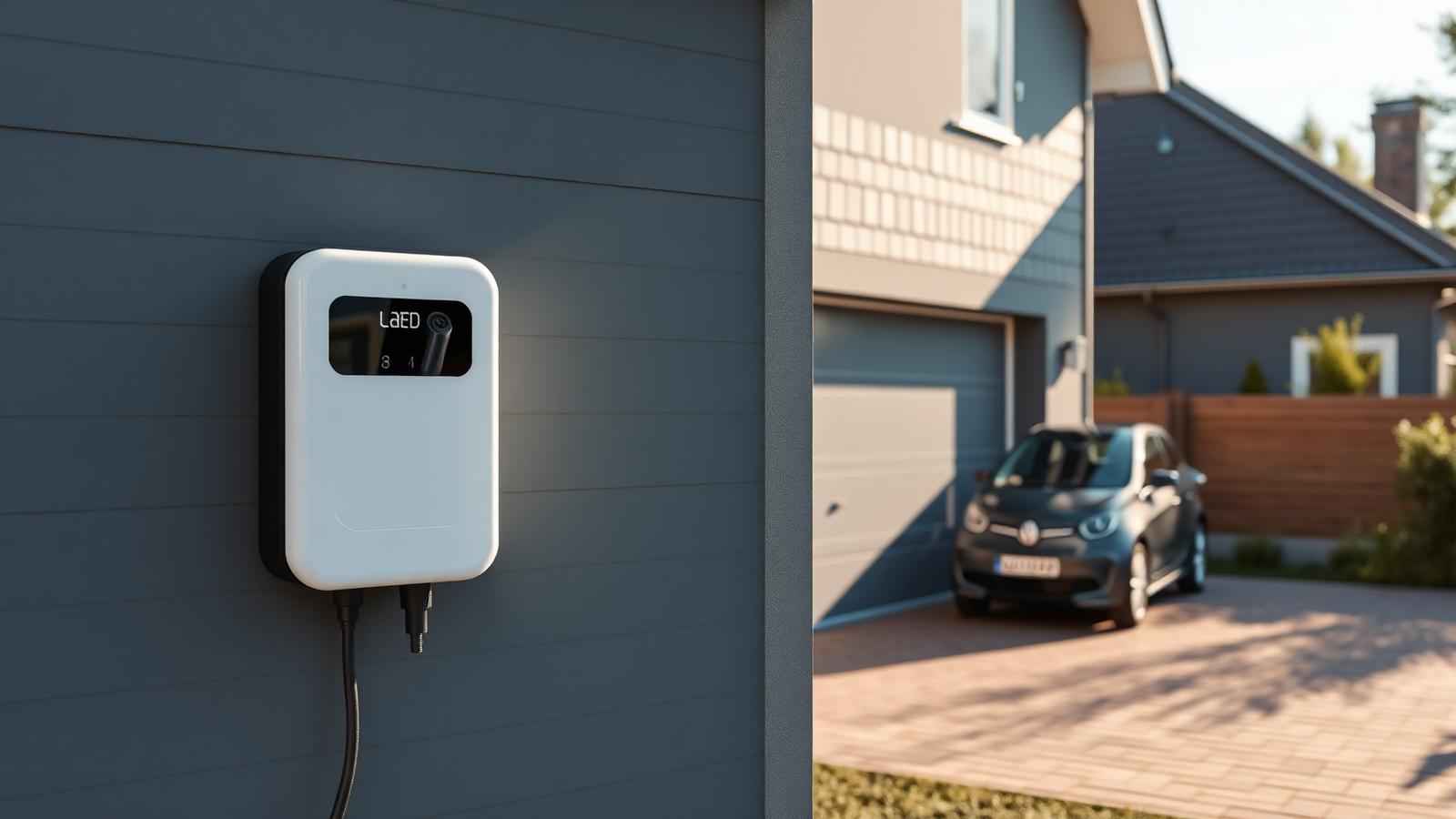
Owning an EV in Sweden without home charging is practically hard, and a proper installed charger is a requirement from most insurers if you want to avoid a regular Schuko socket.
Here's what an EV charger actually costs in 2026, from the unit to labour and how to get half back via the Green Tech deduction.
The unit itself
1-phase 3.7 kW (suits older flats): 4,000–8,000 SEK. 3-phase 11 kW (standard for a villa): 6,000–12,000 SEK. 3-phase 22 kW (larger needs): 10,000–18,000 SEK.
Popular brands 2026: Easee One/Charge, Zaptec Go/Pro, Charge Amps Halo, Wallbox Pulsar Plus, Garo GLBDC. Differences are in app, load balancing and OCPP support.
Installation cost
Simple install (near the fuse box, no trenching): 6,000–10,000 SEK.
Standard villa (5–15 m cable, new circuit with type B RCD): 8,000–15,000 SEK.
Complex (over 20 m, buried cable, main fuse upgrade): 15,000–35,000 SEK.
Green Tech deduction, 50% off
Skatteverket gives 50% tax reduction on both labour and materials for EV chargers, up to 50,000 SEK per person per year. Two owners = 100,000 SEK. Better than ROT.
The firm applies the deduction on the invoice. You just need to pay Swedish tax and own the home.
Requirement: type B RCD
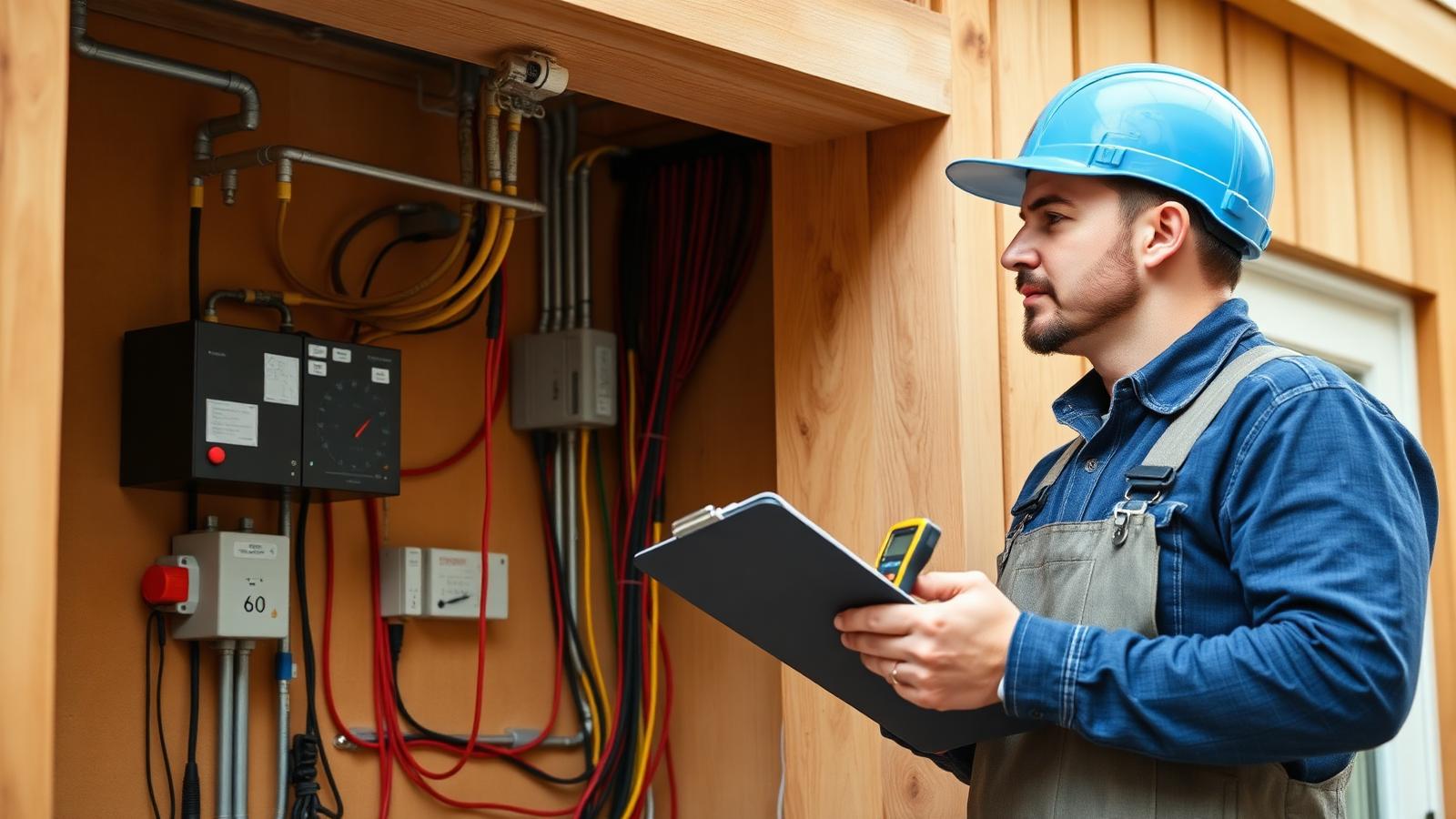
Since 2018 Elsäkerhetsverket requires EV chargers to be protected by a type B RCD (unless the unit has one built in). The difference vs type A: it detects DC that would otherwise destroy standard RCDs.
Many modern chargers (Easee, Zaptec) have type B built in, then a standard type A upstream suffices. Always ask your electrician.
1-phase or 3-phase?
3-phase 11 kW: 5–6 hours for a full charge of a modern EV (60 kWh battery). Recommended for a villa with 25 A main fuse or above.
1-phase 3.7 kW: 12–15 hours for the same car. Enough for most commuters and often the only option in older apartment blocks.
Co-ops and shared parking
In a co-op or shared community you usually must use the association's procured solution, individual installs on shared parking aren't allowed.
The Green Tech deduction still applies to you as a member if you're invoiced individually for the charging.
Frequently asked questions
- What does an EV charger cost installed in 2026?
- 12,000–25,000 SEK total for a villa after the Green Tech deduction.
- Can I install an EV charger myself?
- No. Fixed installation requires a licensed electrician per Elsäkerhetsverket.
- What is the Green Tech deduction?
- 50% tax reduction on labour and materials for EV chargers, solar and batteries. Max 50,000 SEK/year per person.
- Do I need a type B RCD?
- Yes, but most modern chargers (Easee, Zaptec) have type B built in so standard type A upstream is enough.
- Should I pick 1-phase or 3-phase?
- 3-phase 11 kW for a villa (5–6 h charge). 1-phase 3.7 kW is enough for commuters with small needs.
- Can I get an EV charger in a co-op?
- Only via the co-op's procured solution, but the Green Tech deduction still applies to you as a member.
- Which EV charger is recommended in 2026?
- Easee, Zaptec and Charge Amps are popular with good apps, load balancing and OCPP support.
Need help with your project?
Download HemmaPro, describe your job and compare quotes from verified professionals in your city.
Download the app