Repairing holes in plasterboard and finishing a perfect surface
Step by step repairs from screw holes to door handle damage, which filler to choose, and when to bring in a pro before a move-out inspection.
At move-out, walls get scrutinised harder than anything else in the flat. Screw holes from shelves and pictures are the most common inspection remark, and also the easiest to fix.
Here is the method for three damage levels and the mistakes that make a repair show through the paint.
Small screw and nail holes
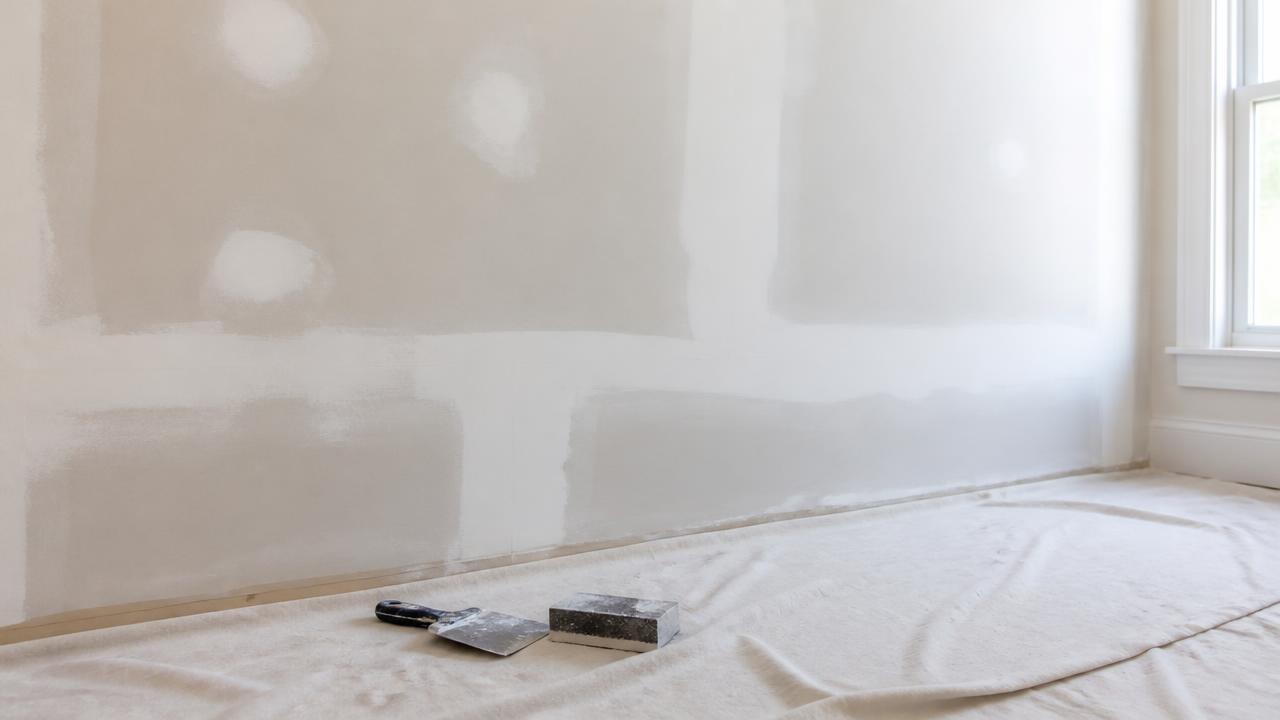
Scrape off raised edges, press lightweight filler in with a narrow knife and wipe the excess immediately. Let it dry, sand lightly with 180 grit, and touch up with the wall colour.
The classic mistake is applying too much filler and then sanding a large area. That dulls the surrounding paint and makes the repair visible.
Medium damage and door handle holes
For holes up to palm size, use a self-adhesive metal mesh patch. Fill in three thin coats, each wider than the last, roughly 20, 30 and 40 centimetres.
Let every coat dry fully, at least four hours and ideally overnight. Filling wet on wet causes cracks.
Large damage: replace a section of board
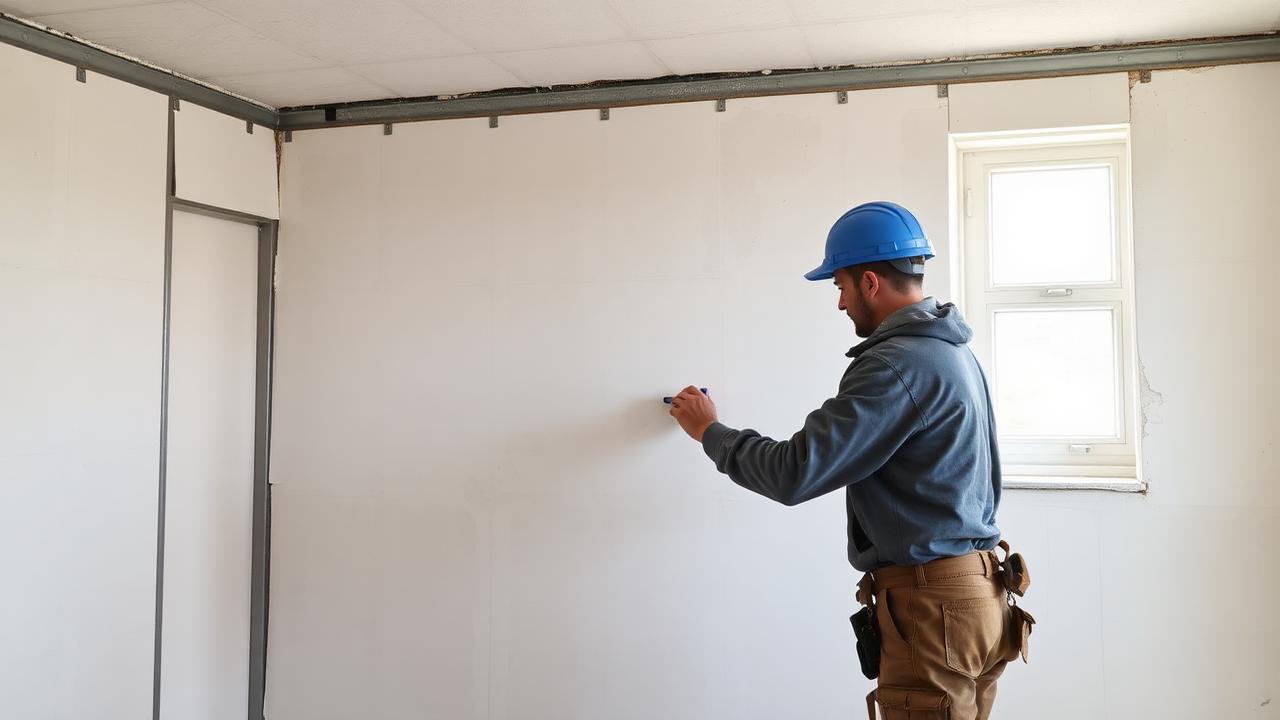
If the hole is bigger than 20 centimetres, cut a rectangle back to the nearest stud, screw in a new piece of plasterboard and tape the joints with paper tape before filling.
This is often worth handing to a carpenter. A pro does it in one to two hours, and a poorly repaired large area shows in raking light forever.
Painting so the repair disappears
Always prime the repair, otherwise the filler absorbs the paint and stays matt. Then paint the whole wall corner to corner, not just the patch.
If you no longer have the original paint, a paint shop can scan a sample. Bring an offcut of trim or a socket cover plate rather than a photo.
Frequently asked questions
- Which filler should I use?
- Lightweight filler for small indoor holes and fine filler for the top coat. Do not use exterior filler indoors, it is much harder to sand.
- How long should filler dry?
- At least four hours per coat, ideally overnight in cold or humid rooms.
- Do I have to repaint the whole wall?
- For the best result yes, corner to corner. Spot touch-ups almost always show in raking light.
Need help with your project?
Download HemmaPro, describe your job and compare quotes from verified professionals in your city.
Download the app